

In the high-stakes world of fashion, where a single collection can make or break a career, even the most legendary designers have leaned on a little bit of magic. It’s intriguing, isn’t it? We think of these icons as masters of logic and geometry, but behind the scenes, many were—and still are—deeply superstitious. They didn’t just design clothes; they integrated talismans into the very fabric of their brands. These small “lucky charms” have become so famous that we often forget they started as personal quirks or desperate pleas for good fortune.
Coco Chanel’s Protective Symbols

Take Gabrielle “Coco” Chanel, for instance. She was remarkably superstitious. If you look closely at her work, her life was practically a map of protective symbols. Her favorite number, 5, wasn’t just a name for a perfume; she truly believed it brought her luck, often timing her runway shows to fall on the fifth day of the month. Then there’s the lion. Being a Leo, she surrounded herself with lion statues in her apartment on Rue Cambon, and today, you’ll still see that fierce face on Chanel buttons and high jewelry. It appears she sought to harness that celestial strength whenever she faced uncertainty.
Christian Dior and the Divine Sign
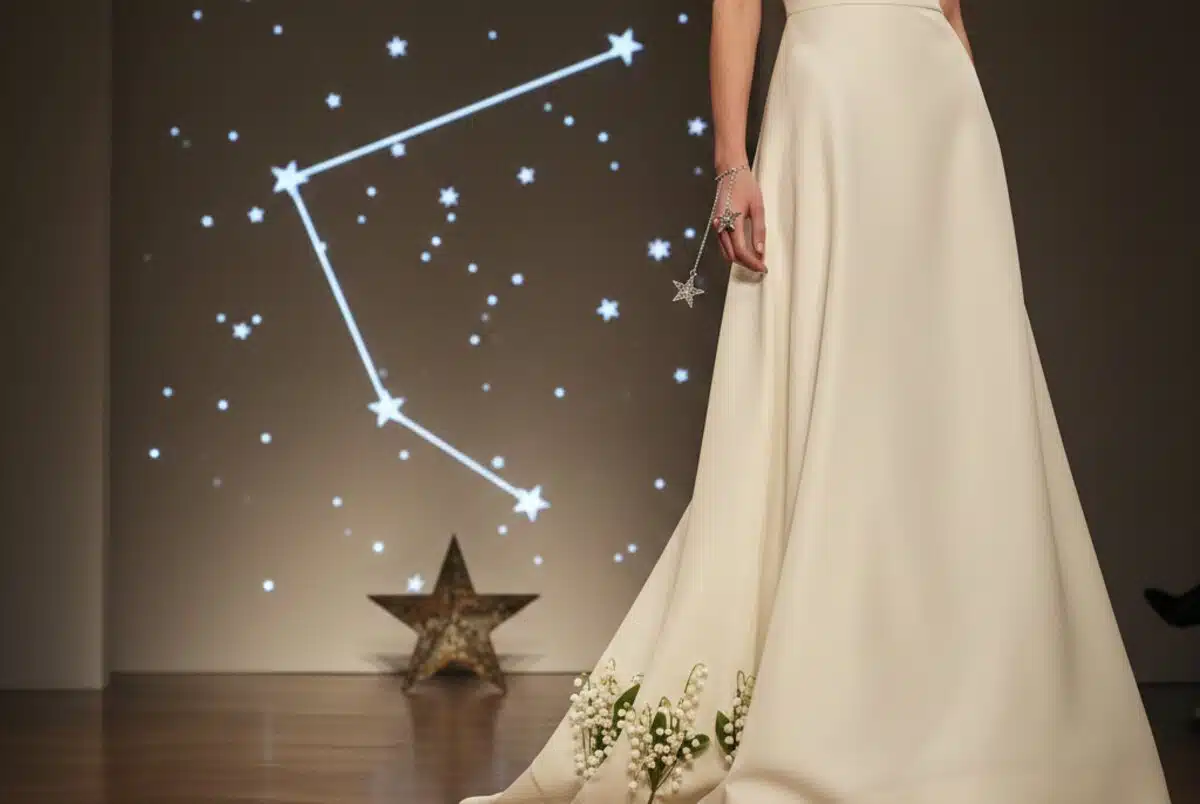
Christian Dior was another creator who couldn’t leave his house without a “gris-gris” or two in his pocket. His most famous charm was probably the lily of the valley. He was so enamored with this delicate white flower that he’d have his seamstresses sew a sprig into the hems of his haute couture dresses before they went down the runway. Imagine the models walking out, literally carrying a secret flower for good luck. He also famously found a metal star on the ground right before he launched his house, which he took as a divine sign. Even now, the Dior house uses that star as a recurring motif, a quiet nod to the founder’s belief in fate.
Schiaparelli’s Celestial Identity
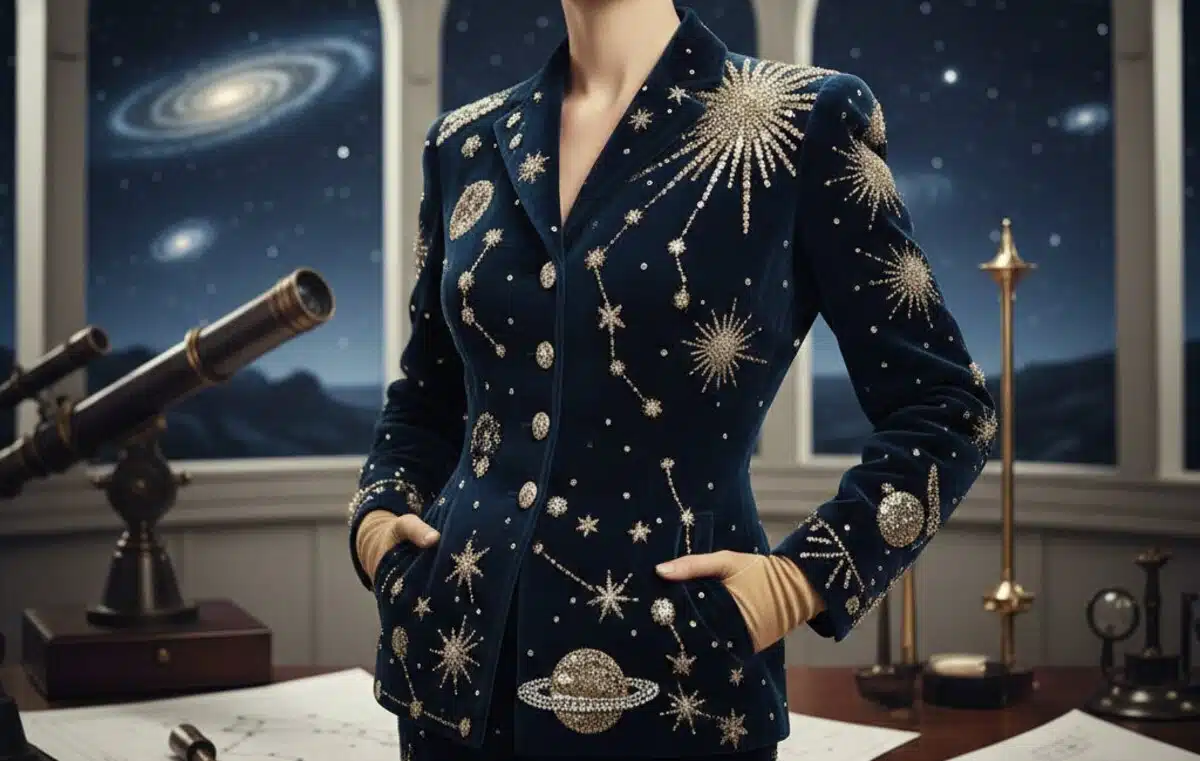
Speaking of stars, Elsa Schiaparelli took it to a whole other level with her “Zodiac” collection. She had this fascinating connection to the sky because her uncle was a famous astronomer. He once told her that the moles on her cheek formed the shape of the Big Dipper, which she adopted as her personal lucky emblem. You’ll see it embroidered in glittering sequins on her iconic jackets. It’s a bit whimsical, maybe even a little strange, but it gave her a sense of identity that still feels modern.
The Lucky Clovers of Van Cleef & Arpels
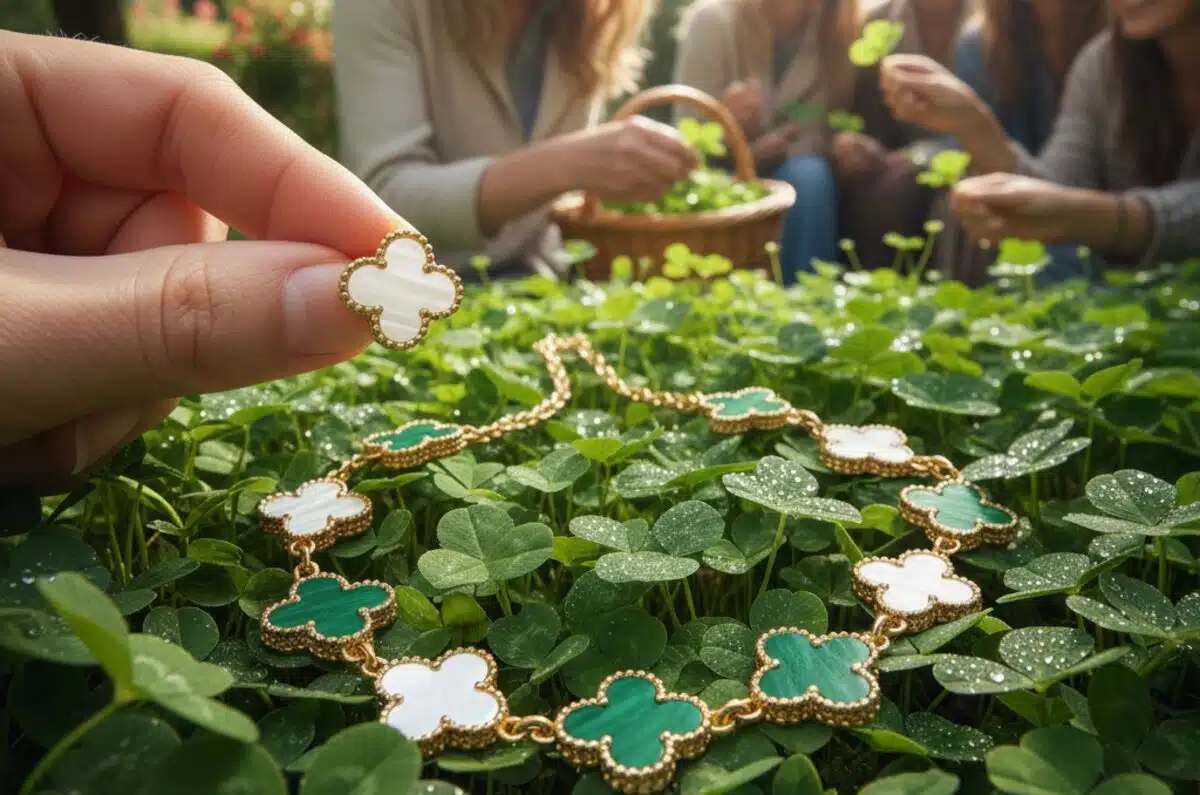
And we can’t talk about luck without mentioning Van Cleef & Arpels. Their Alhambra necklace—that four-leaf clover shape everyone recognizes—was born from Jacques Arpels’ habit of picking actual clovers in his garden and giving them to his staff. He used to say, “To be lucky, you have to believe in luck.” It’s a simple thought, but it clearly worked. Decades later, that clover is still one of the most sought-after pieces of jewelry in the world.
The Human Side of Fashion
Whether it’s a gold coin, a hidden flower, or a specific number, these charms remind us that fashion is deeply human. We all want a little extra help sometimes, don’t we?
Do you have a personal lucky charm that you wear every day, or do you think it’s all just fun folklore? We’d love to hear your stories in the comments! Also, don’t forget to follow us on Facebook and Twitter for more deep dives into the secret history of your favorite brands.
Before you go, you just must check our pro secrets to hitting the racetrack without looking like a total beginner.
Sources:
- www.chanel.com/us/fine-jewelry/chance-de-chanel/
- www.dior.com/en_int/beauty/products/lucky-Y0750427.html
- www.vancleefarpels.com/en/the-maison/articles/history-of-the-alhambra-collection.html
- www.schiaparelli.com/en/products/ch00009001
- www.nssgclub.com/en/fashion/40093/jewelry-trends-to-wear-in-2025
All images are made with AI.