


There is a palpable electricity in the air when you walk toward a racetrack for the first time. It is a mix of expensive perfume, high-octane fuel, and the desperate hope of everyone holding a betting slip. If you are heading to a place like Gulfstream Park or the historic grounds of Saratoga, you probably want to look like you belong there. Nobody wants to be the person frantically googling what a “furlong” is while the horses are already loading into the gate.
To help you blend in with the regulars, here are five things you absolutely need to know before you place your first bet.
1. The Dress Code Is a Moving Target

You might think horse racing is all giant hats and three-piece suits, but that’s not always the case. It really depends on where you are hanging out. If you have tickets for the Turf Club or a private suite, yes, you should dress to impress. We are talking blazers and sundresses. However, if you are just hanging out in the grandstand or the apron, things are much more casual.
I’ve seen people show up to Santa Anita in high-end fashion only to realize they’re sitting on concrete bleachers. It’s a bit of a balancing act. The best approach is to wear comfortable shoes. You will be walking from the paddock to the betting window to the rail more than you think. There is nothing that screams “newbie” louder than someone hobbling across the grass in five-inch heels by the fourth race.
2. The Paddock Is Where the Real Secrets Are
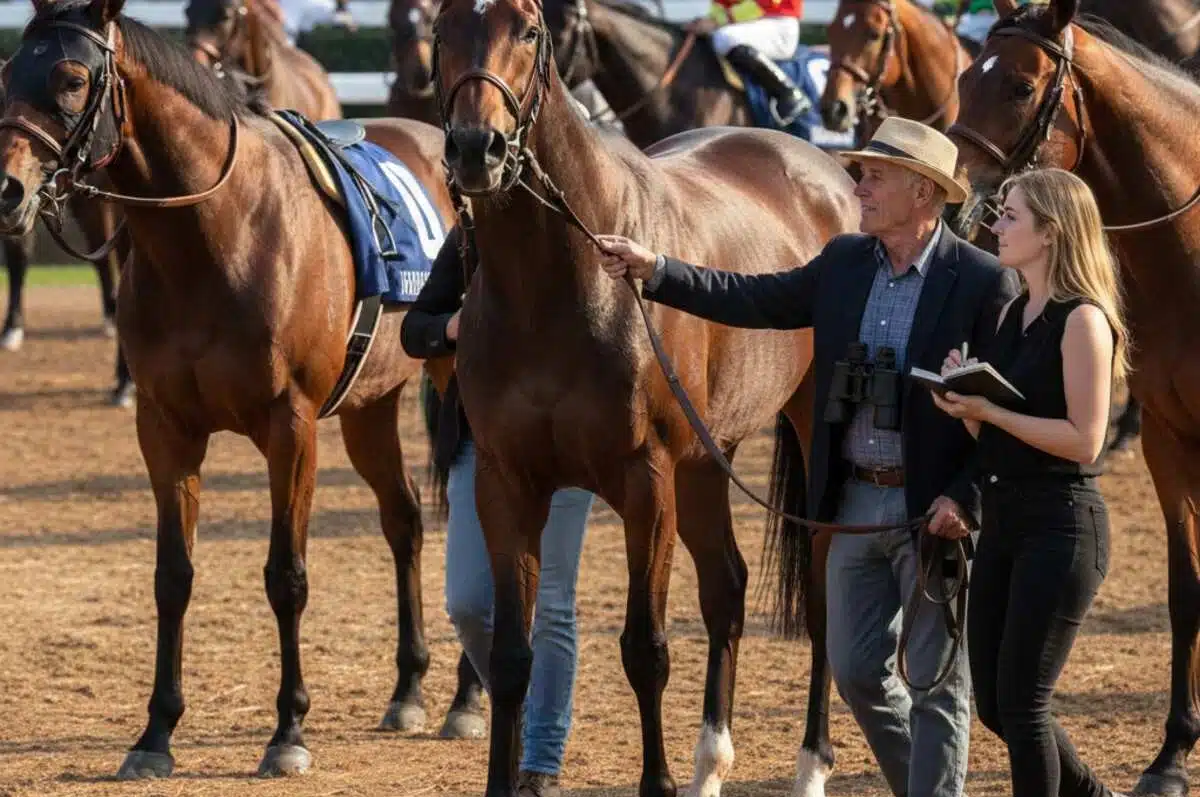
Most beginners head straight for the bar or the betting windows, but the paddock is where the magic happens. This is the enclosure where the horses are saddled and paraded before they go onto the track. It is the best place to get a close look at the athletes themselves.
Look at their coats. Are they shiny? Does the horse look calm, or is it sweating excessively and acting jittery? Regulars look for “dappling” on a horse’s coat, which is often a sign of peak fitness. If a horse is washing out—that’s when they get white, soapy sweat between their legs—it might be burning too much energy before the race even starts.
3. Learning the Language of the Board

When you look at the big screen (the tote board), the numbers can look like a foreign language. The most important thing to understand is that horse racing uses “pari-mutuel” wagering. This means you aren’t betting against the house; you’re betting against everyone else at the track.
The odds will fluctuate right up until the gates open. If you see a horse listed at 5-1 and a lot of people suddenly put money on it, those odds might drop to 2-1. It can be a little frustrating to think you’re getting a big payout only to have it shrink, but that’s just how the math works. Also, don’t feel pressured to do anything fancy like an “Exacta” or a “Trifecta” right away. There is no shame in a simple “Win, Place, or Show” bet.
4. How to Talk to the Teller

When you finally get to the betting window, don’t be that person who stammers. Tellers appreciate efficiency. There is a specific rhythm to placing a bet that makes you sound like a pro:
- The name of the track (if you are betting on a race elsewhere)
- The race number
- The amount of the bet
- The type of bet
- The horse’s program number
So, it sounds like: “Gulfstream, Race 4, five dollars to Win on number 7.” It is quick, it is clean, and the people in line behind you won’t start huffing and puffing. Oh, and always double-check your ticket before you walk away from the window. Mistakes happen, but once the race starts, that ticket is final.
5. It’s a Marathon, Not a Sprint
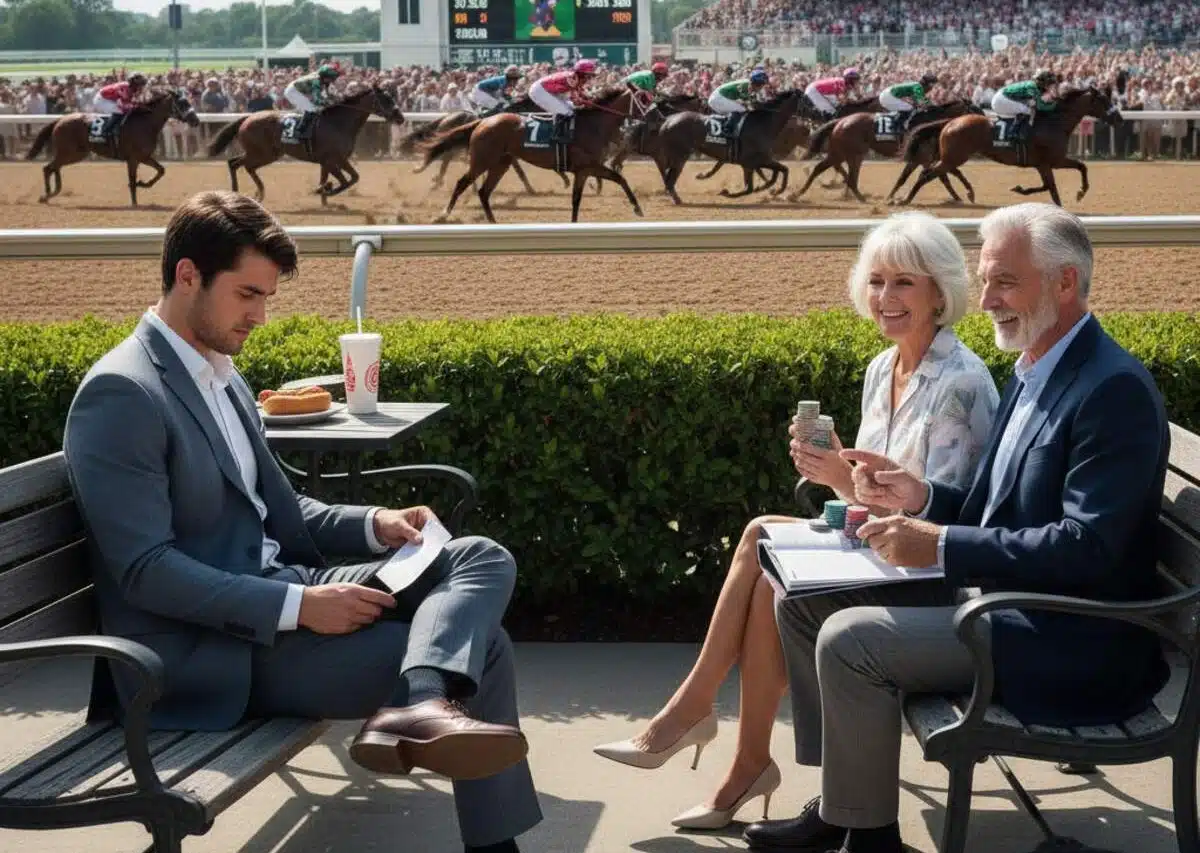
A day at the races usually involves eight to ten individual events, with about 30 minutes of downtime between each one. It is very easy to get carried away and bet your entire budget on the first three races. I’ve seen it happen plenty of times—by the time the featured stakes race rolls around, the “newbie” is out of cash and just sitting on a bench.
Consider setting a “per race” limit. It keeps the day interesting and ensures you’re still in the game when the best horses finally hit the track. It is hard to maintain the excitement if you’re broke by 3:00 PM.
What do you think? Are you planning a trip to the track soon, or do you have a funny story from your first time betting on the ponies? Tell us in the comments below! And don’t forget to follow us on Facebook and Twitter for more lifestyle tips and event guides.
While these pro tips will help you keep your edge on the track, there’s a growing debate about whether too much data is changing the heart of competition. Is the ‘magic’ of the sport being replaced by spreadsheets? We dive into the controversy here.
Sources:
- www.americasbestracing.net/
- www.ntra.com/
- www.bloodhorse.com/
- www.churchilldowns.com/visit/racing-101/betting-guide/
All images are made with AI.