

When we talk about the most powerful people on the planet, our minds usually jump straight to presidents, prime ministers, and monarchs. But if you look just a few inches to the left or right in those official photos, you’ll find the “First Ladies”—a title that carries zero constitutional power but an immense amount of social and political weight.
The role is a strange one, isn’t it? It is unpaid, unelected, and yet entirely public. In some corners of the world, the First Lady is the “Mother of the Nation,” a symbol of stability and grace. In others, she’s a fierce policy advocate or a secret advisor who has the leader’s ear when the doors are closed.
Key Takeaways
- The Power of Proximity: While the role lacks a formal job description, First Ladies often drive major national initiatives in health, education, and human rights.
- A Diverse Global List: From Melania Trump’s focus on AI education to Olena Zelenska’s wartime advocacy, these women represent a vast spectrum of influence.
- Evolution of the Role: The modern First Lady has shifted from a ceremonial “hostess” to a diplomatic powerhouse with her own staff and global platform.
The first ladies: More Than Just a Title
You might wonder why we still care about a role that isn’t even in the constitution. I honestly think it’s because these spouses provide a “soft” layer to the often “hard” and cold edge of politics.
Take Olena Zelenska in Ukraine. Before the conflict, she was a screenwriter. Now, she is a global diplomat who meets with world leaders to secure aid for her people. She didn’t choose the spotlight, but she’s using it with incredible precision.
On the other side of the Atlantic, Melania Trump represents a different kind of influence. Her current focus on artificial intelligence and child welfare shows how a First Lady can choose a specific niche that complements—or sometimes balances—the President’s more aggressive policy stances.
A Global Roll Call: Notable Figures at the Top
Keeping track of global leadership is like trying to map a moving river—elections happen, governments shift, and the faces change. Here is a look at the people currently navigating those unique, high-pressure lives at the top.
United States: Melania Trump
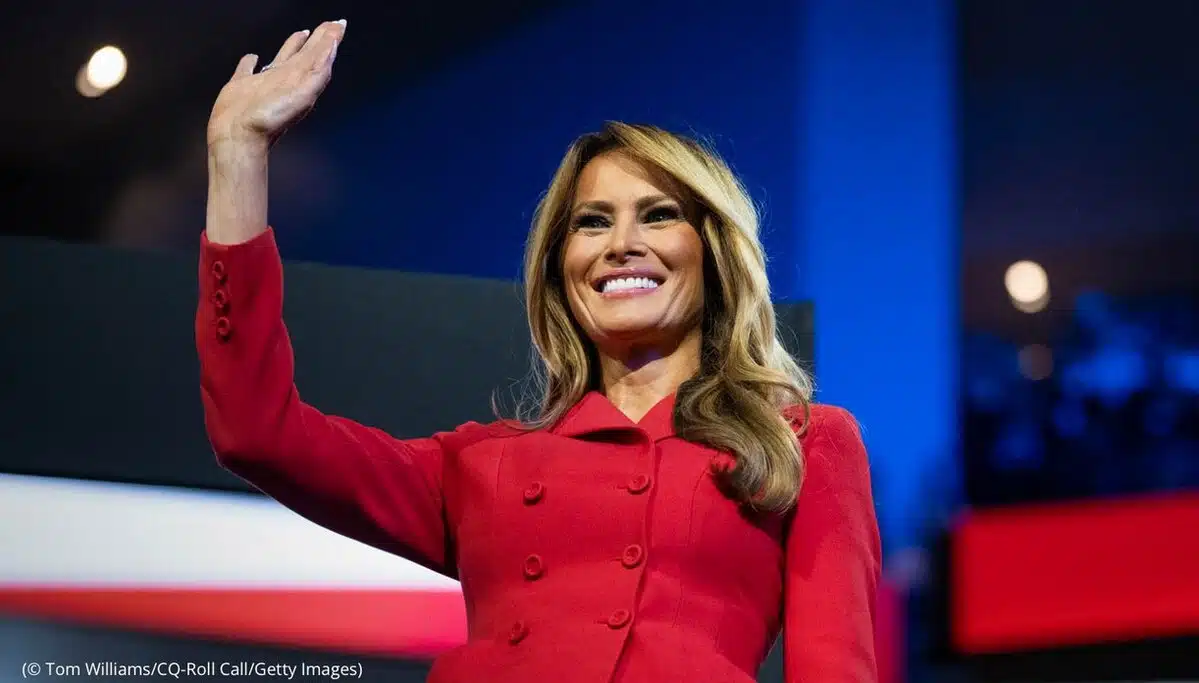
Returning for her second term, Melania Trump has pivoted her “Be Best” initiative toward the digital age. Lately, she’s been championing “Curiosity For Intellectual Freedom,” a program aimed at teaching children how to use AI responsibly. It’s a modern twist on the role, isn’t it?
France: Brigitte Macron
A former teacher, Brigitte Macron hasn’t stepped away from the classroom in spirit. She remains the head of the Hospitals of Paris-Hospitals of France Foundation and is heavily involved in “LIVE,” an institute that helps young adults find their footing in the job market.
Ukraine: Olena Zelenska
Few people have had a more difficult tenure. Zelenska has become the face of Ukrainian resilience, focusing on mental health through the “How Are You?” program, which addresses the deep psychological scars of the ongoing conflict.
Brazil: Rosângela “Janja” Lula da Silva

A sociologist by trade, “Janja” is far from a ceremonial figure. She’s a member of the Workers’ Party and uses her platform to fight food insecurity and gender-based violence. She’s often described as the “voice of the people” within the presidential palace.
Turkey: Emine Erdoğan
Her focus has been remarkably consistent: the environment. Her “Zero Waste” project has even been recognized by the United Nations, turning a local Turkish initiative into a global model for sustainability.
Jordan: Queen Rania Al Abdullah
While she is a Queen, she functions as a premier First Lady on the world stage. Her focus on education and cross-cultural dialogue has made her one of the most recognized advocates for Middle Eastern progress.
South Korea: Kim Keon-hee

Kim Keon-hee has taken a very public stand on animal rights, specifically pushing for the ban on dog meat consumption in South Korea. It was a move that stirred up some friction, but it showed she isn’t afraid to get her hands dirty with controversial issues.
Israel: Michal Herzog
In a time of deep national tension, Michal Herzog has focused on “Voice of the People,” an initiative aimed at fostering national unity and supporting families affected by conflict.
Kenya: Rachel Ruto
Known for her “Mama Doing Good” initiative, Rachel Ruto focuses on climate change and faith-based diplomacy. She has been a vocal advocate for “bicycle diplomacy” to promote green transport.
China: Peng Liyuan

A famous folk singer, she serves as a WHO Goodwill Ambassador for HIV/AIDS and Tuberculosis. She brings a certain “soft power” and celebrity spark to Chinese diplomacy that you don’t usually see in their political history.
Spain: Begoña Gómez
Despite some political controversies back home, she has remained active in the sector of social impact and competitive transformation, often participating in international forums on social economy.
Chile: Irina Karamanos
Karamanos famously stepped down to actually dismantle the institutional power of the role. It’s a move that still has people debating whether the position should even exist in the first place.
The Diplomacy of the Dinner Table
There’s an old saying that more work gets done at the dinner table than in the boardroom. First Ladies often act as the secret weapon of diplomacy. When world leaders gather for a G20 or a UN summit, the spouses often have their own separate itinerary.
While the presidents are arguing over trade tariffs or border security, the spouses are visiting local schools or hospitals. This isn’t just “busy work.” It builds a separate set of relationships that can soften tensions between nations. Of course, looking the part is its own kind of unspoken language at these high-stakes events. Whether it’s a state banquet or a gala, choosing formal attire that feels timeless is about more than just fashion—it’s about projecting the dignity and stability their country expects.
Frequently Asked Questions
Is the First Lady a government official?
Technically, no. In most countries, including the U.S., the First Lady is not an elected official and receives no salary. However, she often has a government-funded staff and an office to help her carry out ceremonial and social duties.
Who was the first person to be called ‘First Lady’?
The term was first used in the mid-19th century. Martha Washington was usually called “Lady Washington” during her time. It wasn’t until Dolley Madison or later Harriet Lane that the title “First Lady” really started to stick in the American lexicon.
Can a First Lady have a job?
This is a hot topic. Dr. Jill Biden made history by continuing to teach at a community college while serving as First Lady. Most spouses, however, find the demands of the role so high that they put their private careers on hold.
What happens if the leader is not married?
In cases where a leader is single, widowed, or their spouse is unavailable, the role of “hostess” is often filled by a daughter, niece, or even a sister. For example, in the 1850s, Harriet Lane served as First Lady for her uncle, James Buchanan.
Wrapping Up
It’s fascinating to watch how this role continues to adapt. Whether they are campaigning for human rights or simply standing as a pillar of support, First Ladies remind us that leadership is rarely a solo journey.
What do you think about the evolving role of the First Lady? Do you think it should be a paid position with more formal power, or is the “soft power” approach more effective?
Drop a comment below and let us know your thoughts! And don’t forget to follow The Gossip Blog on Facebook and Instagram for more deep dives into the lives of the world’s most influential people.
Sources:
- www.whitehouse.gov
- www.elysee.fr/en/brigitte-macron
- www.nps.gov/fila/learn/historyculture/first-ladies.htm
- www.forbes.com/lists/power-women/
- www.summitflg.org/en/
- www.oaflad.org/en/our-members/
- www.presidency.ucsb.edu/content/the-ongoing-evolution-the-position-first-lady